Overcoming Persistent Sadness and Finding Joy Again
Understanding the difference between temporary blues and clinical depression, and how to take the first step toward healing.
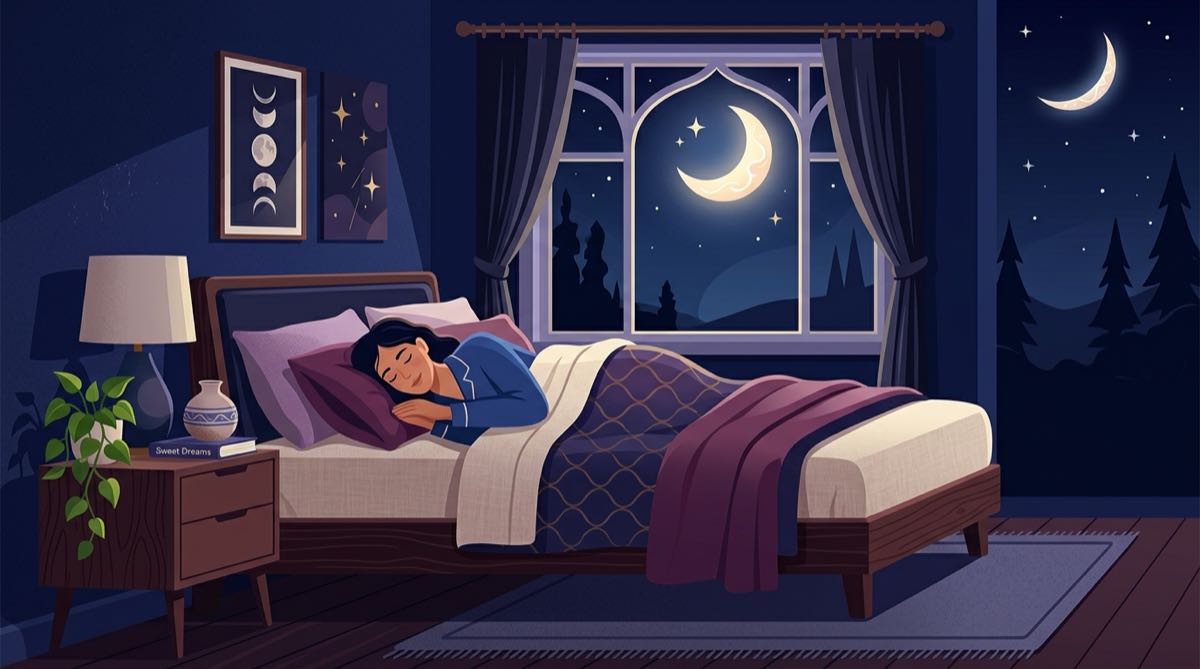
Sadness is a universal human emotion, usually triggered by a specific event like a loss, a failure, or a disappointment. But what happens when the sadness doesn't have a clear cause? Or when it lingers for weeks, slowly draining the color out of your everyday life?
1. The Difference Between Sadness and Depression
While sadness comes in waves and usually subsides over time, clinical depression is a persistent heavy blanket. It affects your ability to function. If you are experiencing a loss of interest in hobbies you used to love, extreme fatigue, changes in sleep or appetite, and feelings of worthlessness for more than two weeks, you may be dealing with depression.
2. The Cycle of Isolation
One of the most insidious symptoms of depression is the urge to isolate. You feel exhausted, so you cancel plans. Canceling plans makes you feel guilty and disconnected, which deepens the depression. Breaking this cycle is crucial. You don't have to go to a party; simply reaching out to one trusted person or a professional counselor can be enough to break the seal.
3. Small Steps Lead to Big Changes
When you are depressed, advice like "just exercise" or "think positive" feels impossible. Healing from depression is about micro-steps. Can you drink one glass of water? Can you step outside for two minutes of sunlight? A counselor will help you build a ladder of micro-steps tailored specifically to your current energy levels.
Let Us Help You Carry the Weight
Reaching out is the hardest step. Our compassionate counselors provide a safe, non-judgmental space to help you find your way back to joy.
Book Online